

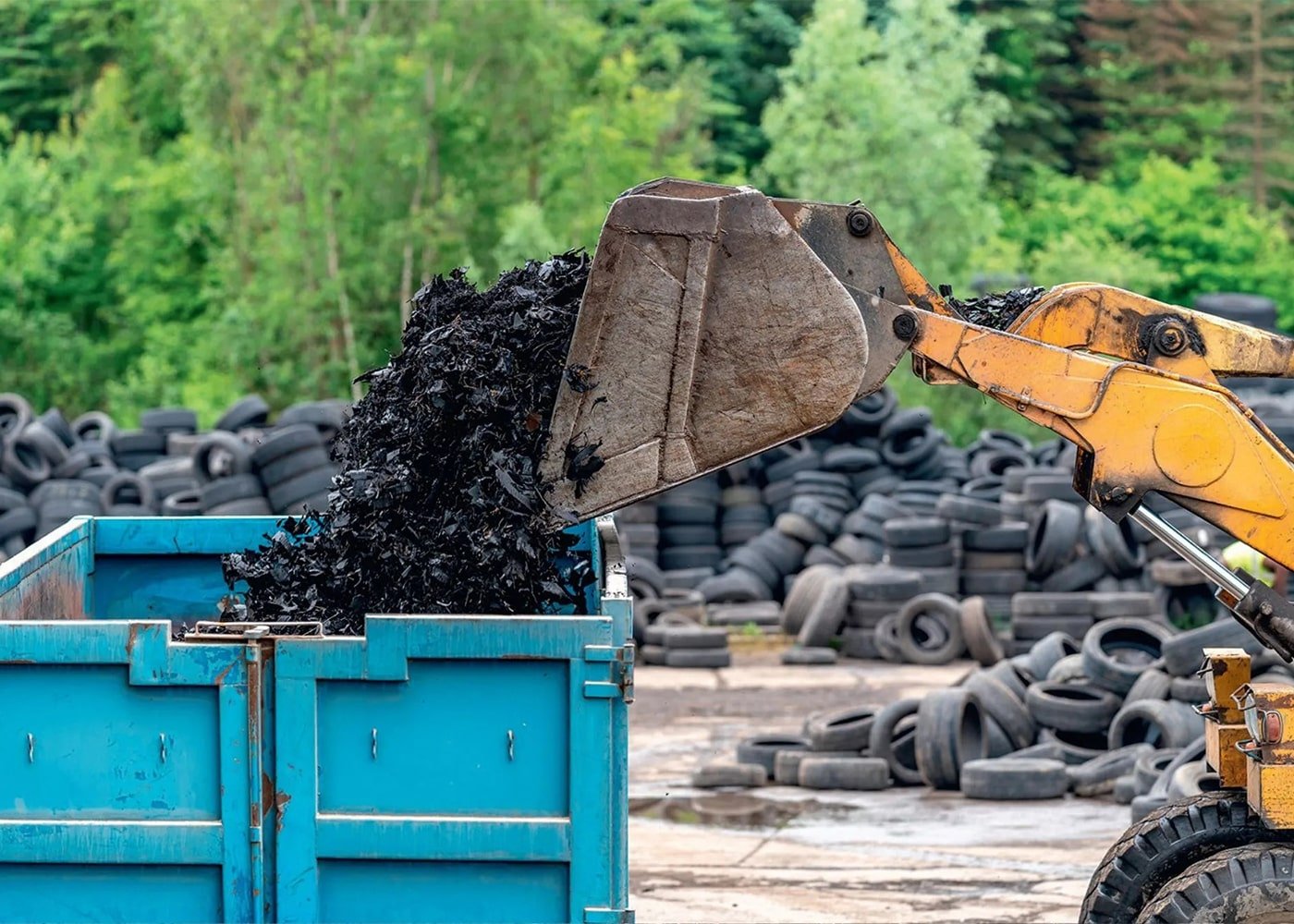
Description of the service
Waste management is the systematic process of collecting, transporting, processing, and disposing of waste materials from their point of generation to their final destination. Its goals are to reduce environmental and health impacts by minimizing waste, maximizing resource value through reuse and recycling, and ensuring safe disposal practices.
Importance of waste management
Waste management is important because it protects the environment from pollution, conserves natural resources, and safeguards public health. By properly disposing of, recycling, and reducing waste, we can prevent contamination of air, water, and soil.
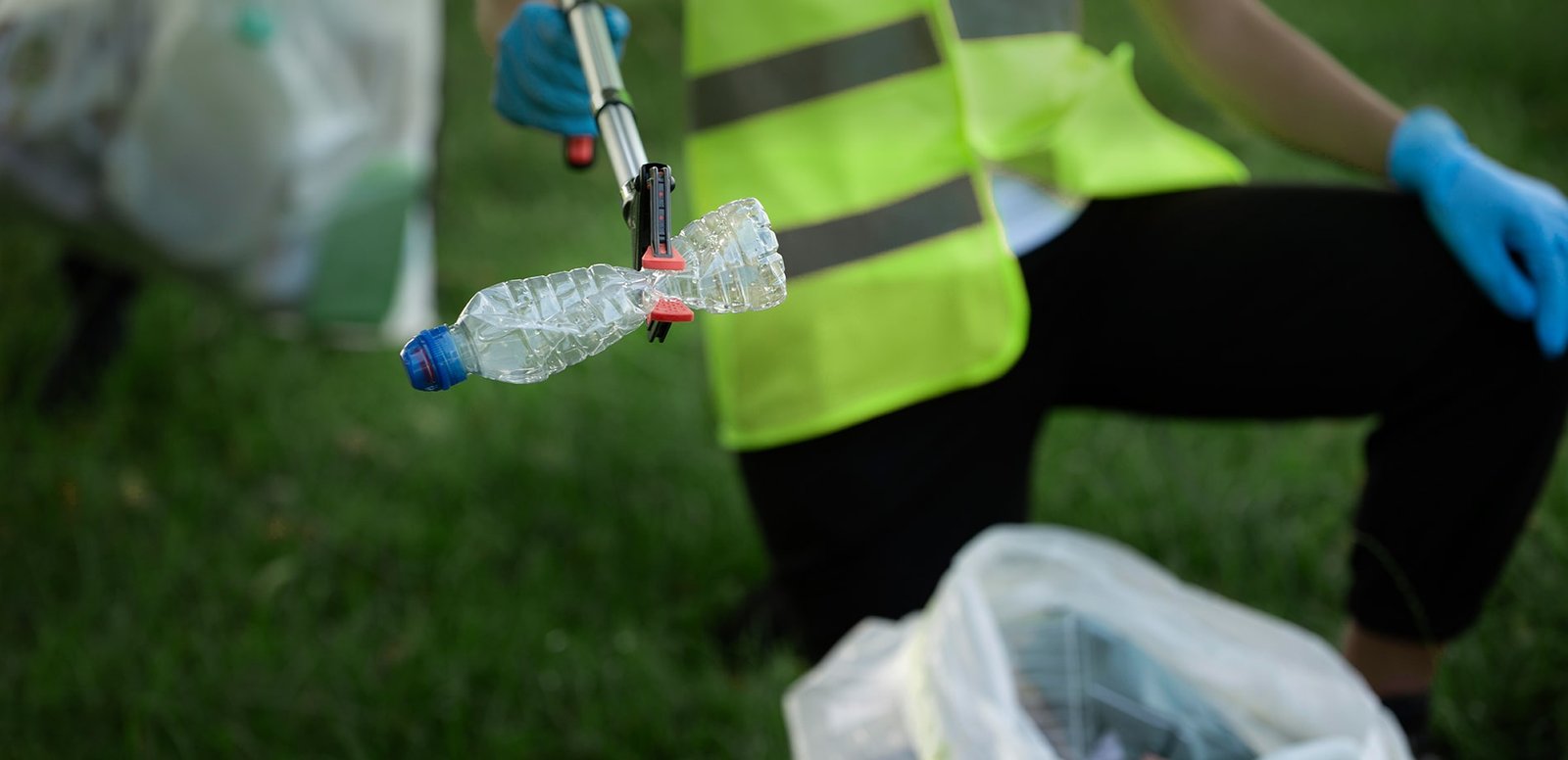
Waste management faq's
Waste management is the systematic process of collecting, transporting, treating, and disposing of waste to minimize its environmental and health impacts. It includes activities like recycling, composting, and waste-to-energy, and its goals are to reduce pollution, conserve resources, and promote a sustainable, circular economy.
Waste management is the overall process of collecting, transporting, treating, and disposing of waste, while recycling is a key component that involves converting waste materials into new products
The 7 steps of recycling, often depending on the material, generally include collection, sorting, shredding/cleaning, reprocessing, and then manufacturing new products
Recycling and waste management are crucial for environmental protection, resource conservation, and economic benefits. They reduce pollution, conserve energy by lowering the need for raw materials
The purpose of waste management is to protect public health and the environment by safely collecting, transporting, and disposing of waste